Monsoon Care Guide for Electric Vehicles
Monsoon Care Guide for Electric Vehicles
Introduction
The monsoon season brings much-needed relief from the summer heat, but it also poses unique challenges for vehicle owners—especially electric vehicle (EV) users. Waterlogged roads, high humidity, and unpredictable weather conditions require extra care to ensure safety, performance, and longevity. With the growing adoption of electric autos and cargo vehicles in India, understanding proper monsoon care is essential for uninterrupted and reliable operation.
1. Battery Protection Is the Top Priority
The battery is the most critical component of any electric vehicle. While EV batteries are designed to be water-resistant and well-sealed, prolonged exposure to water or improper handling can impact performance. During the monsoon, drivers should avoid deep water crossings whenever possible and ensure that battery enclosures remain intact. Regular inspections help identify early signs of moisture ingress or loose connections, ensuring consistent performance even in wet conditions.
2. Charging Safely During the Rainy Season
Charging an EV during monsoon requires extra caution. Always use properly installed chargers and ensure charging points are located in dry, covered areas. Wet plugs, damaged cables, or exposed sockets can pose safety risks. Waiting for connectors to dry completely before charging is a simple but effective habit. Safe charging practices not only protect the vehicle but also extend the life of electrical components.
3. Tyres, Brakes, and Driving Habits Matter More in Monsoon
Wet roads reduce traction and increase braking distance, making tyre condition and braking efficiency extremely important. EV owners should regularly check tyre tread depth and maintain correct tyre pressure during the monsoon season. Smooth acceleration and gradual braking help maintain control and reduce stress on the vehicle. For electric autos and cargo vehicles that operate daily, these habits are crucial for safety and efficiency.
4. Choosing EVs Built for Indian Weather Conditions
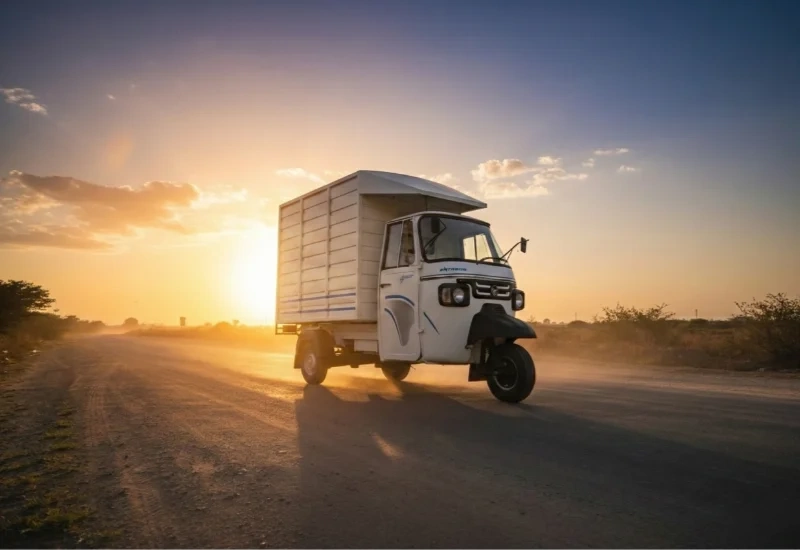
Indian monsoons can be harsh, especially for commercial vehicles that operate long hours. EVs designed and tested for Indian road and climate conditions offer better durability and reliability. Vehicles like those from GEV, built for demanding commercial use, are engineered to handle varied weather conditions while maintaining performance. Robust build quality and thoughtful design ensure smoother operations even during challenging monsoon months.
Conclusion
Monsoon driving doesn’t have to be stressful for electric vehicle owners. With the right precautions—protecting the battery, following safe charging practices, maintaining tyres and brakes, and choosing reliable vehicles—EVs can perform efficiently throughout the rainy season. As electric mobility becomes an integral part of India’s transport ecosystem, proper seasonal care will ensure safer journeys, longer vehicle life, and uninterrupted business operations.