
How EV Adoption Helps Reduce Pollution in Indian Cities
How EV Adoption Helps Reduce Pollution in Indian Cities
Introduction
Air pollution has become one of the most pressing challenges for Indian cities. With increasing vehicle density, congested roads, and dependence on fossil fuels, urban air quality continues to deteriorate, directly impacting public health and quality of life. As cities search for sustainable mobility solutions, electric vehicles (EVs) are emerging as a powerful tool to reduce pollution while meeting growing transportation needs. EV adoption, particularly in public and shared mobility, can play a transformative role in creating cleaner and healthier urban environments.
1. Vehicular Emissions: A Major Contributor to Urban Pollution
In most Indian cities, road transport is a leading source of air pollution. Auto-rickshaws, taxis, and short-distance public transport vehicles operate continuously throughout the day, emitting harmful pollutants such as particulate matter and nitrogen oxides. These emissions accumulate in densely populated areas, worsening air quality. Transitioning these high-usage vehicles to electric alternatives can significantly reduce overall pollution levels, especially in crowded city centers and residential zones.
2. Electric Autos Enable Cleaner Public Mobility
Electric autos offer a practical solution for urban transport by eliminating tailpipe emissions entirely. Unlike conventional vehicles, EVs produce zero direct exhaust, helping reduce localized air pollution and noise levels. Electric three-wheelers are particularly impactful because they serve as a primary mode of daily commute for millions of people. Widespread adoption of electric autos can drastically cut emissions from short, frequent city trips, which are among the biggest contributors to urban pollution.
3. Role of High-Capacity Electric Autos in Reducing Vehicle Count
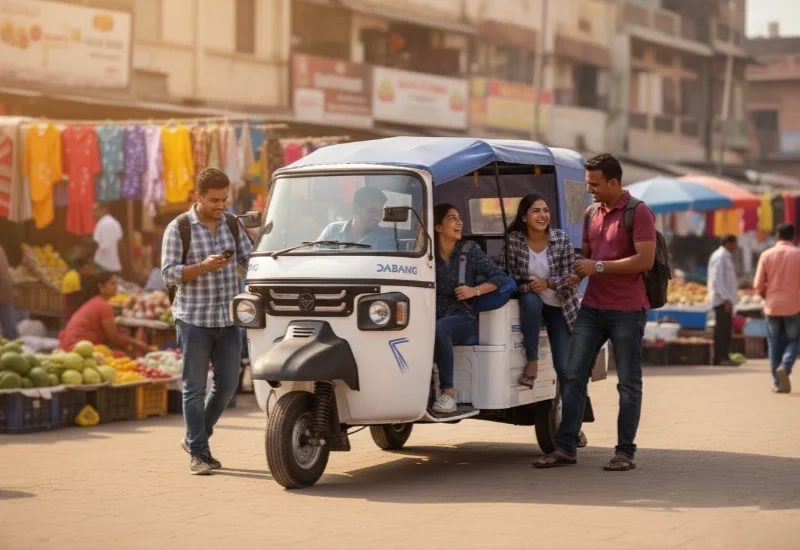
One of the lesser-discussed benefits of modern electric autos is their ability to move more people efficiently. Vehicles with higher seating capacity reduce the number of trips and total vehicles required on the road. GEV’s Dabang MaxX, India’s first 7+1 seater I-CAT approved electric auto, addresses this need by carrying more passengers in a single trip. By improving passenger efficiency while running on clean electric power, Dabang MaxX helps reduce traffic congestion and cumulative emissions in city transport systems.
4. Sustainable Urban Transport Needs Reliable Indian EV Solutions
For EV adoption to make a real environmental impact, vehicles must be reliable, durable, and suited to Indian road and usage conditions. Locally designed electric autos like Dabang MaxX are built specifically for Indian cities, offering strong performance, passenger comfort, and compliance with regulatory standards. Such solutions make it easier for drivers, fleet operators, and city authorities to shift toward electric mobility without compromising on practicality or earnings.
Conclusion
Electric vehicle adoption is no longer just an environmental initiative—it is an urban necessity. By replacing conventional fuel-based autos with electric alternatives, Indian cities can significantly reduce air pollution, noise, and carbon emissions. High-capacity electric autos like GEV’s Dabang MaxX demonstrate how clean mobility and efficient public transport can go hand in hand. As EV adoption accelerates, it will play a crucial role in shaping cleaner, healthier, and more sustainable Indian cities.